mJOULE™
mJOULE™
Your skin has a story. Sun exposure, stress, time.
Each one leaves a mark.
The question is not whether to act. It is when, and with what.
At Well Aging Clinic Athens we work with two of the most advanced light-based technologies available today. Both by Sciton. Both clinically proven. Both delivered through the mJOULE, the platform that makes combining them in a single session possible.
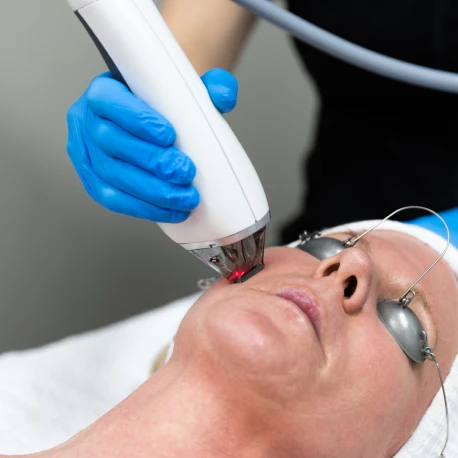
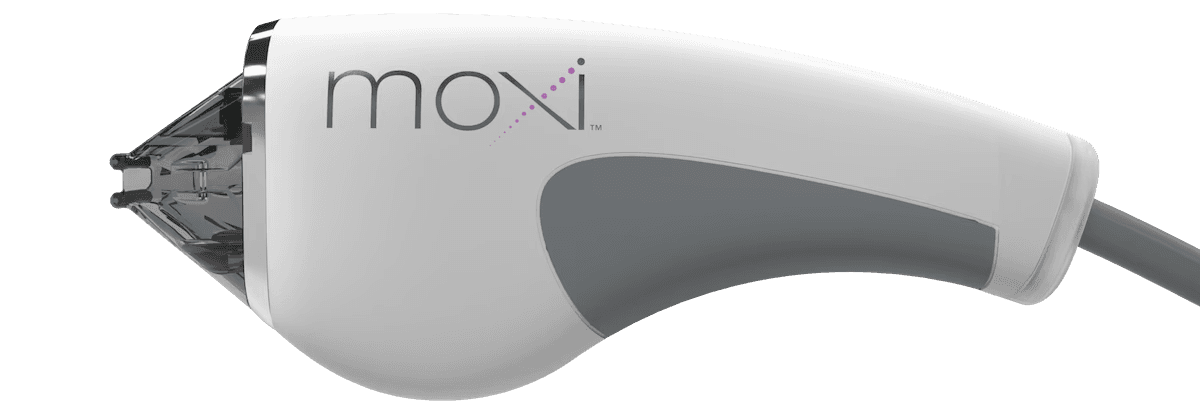
MOXI by Sciton
MOXI is the Hollywood treatment. A gentle, non-ablative laser that works beneath the surface, improving tone, texture, and radiance without disruption to your day. No meaningful downtime. Results that build quietly with every session. Safe on all skin types, year-round. Particularly significant for Mediterranean skin, where most laser technologies carry risk. MOXI does not.
This is for you if
You want to stay ahead of your skin, not catch up with it. You are in your thirties, forties, or fifties and you treat your skin as a long-term investment. You want results that look like you - only better.
the result
Clearer, smoother, more luminous skin. Improved tone and texture from the first session.
A complexion that looks healthy, rested, and naturally refined.
MOXI by Sciton
This is for you if...
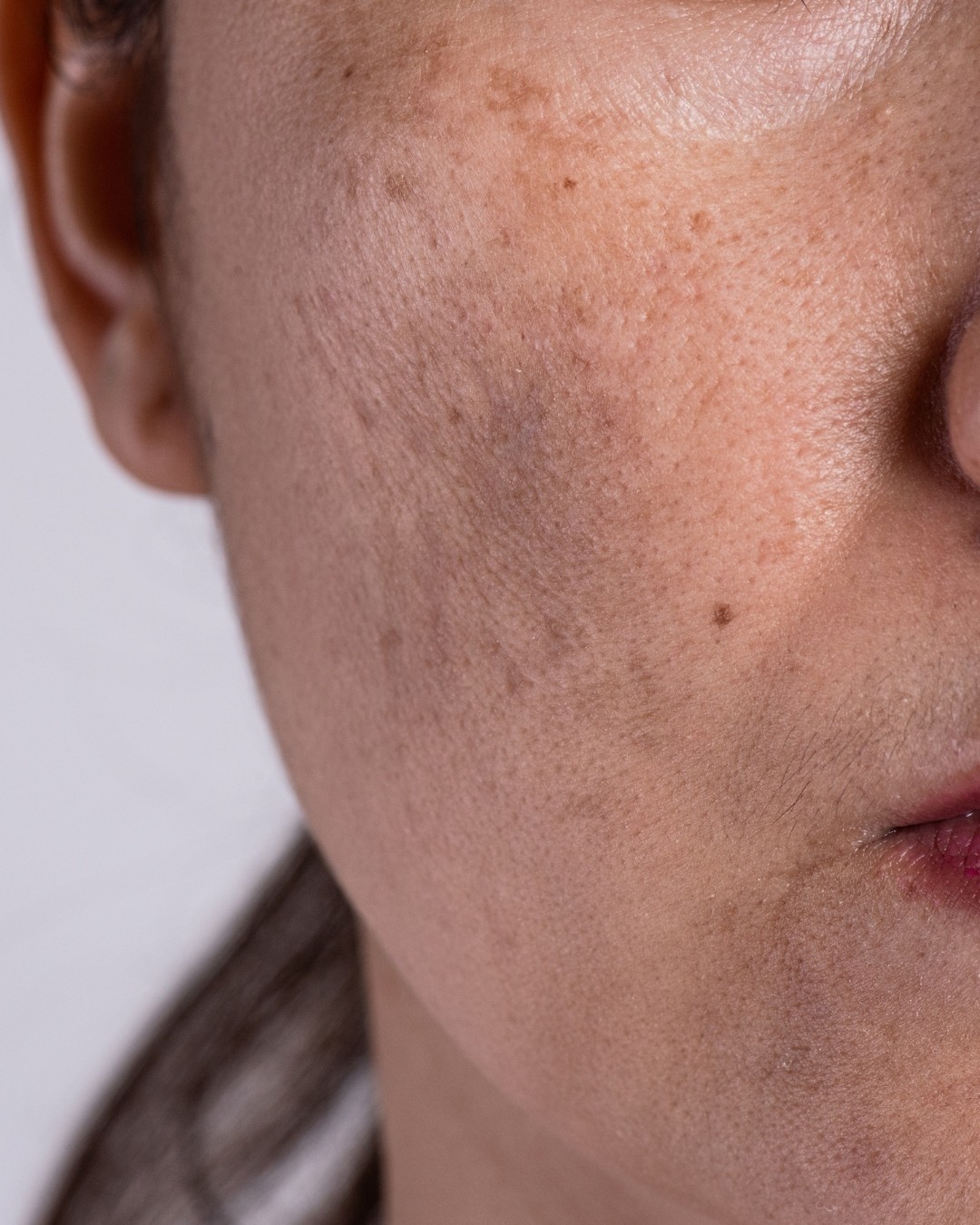
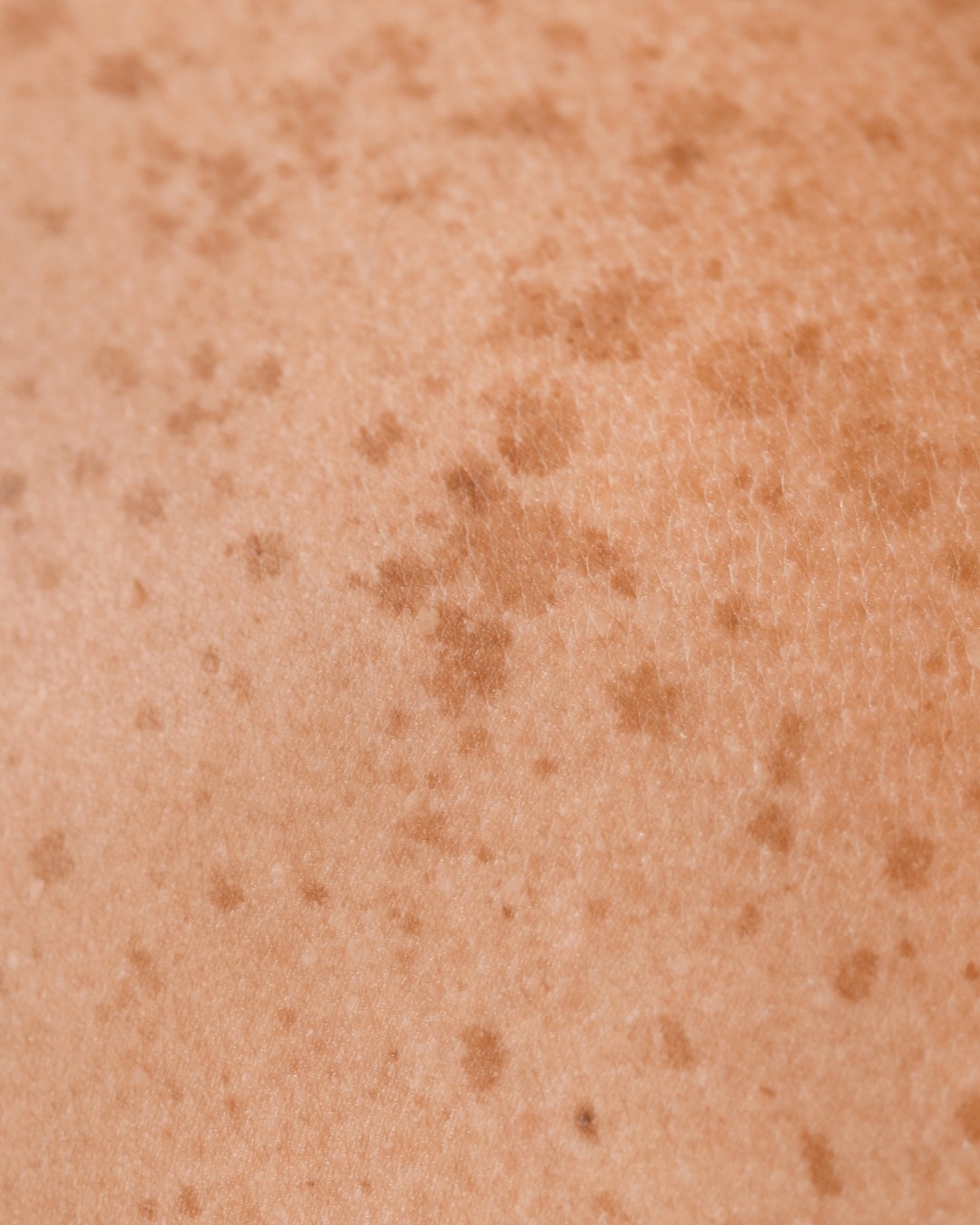
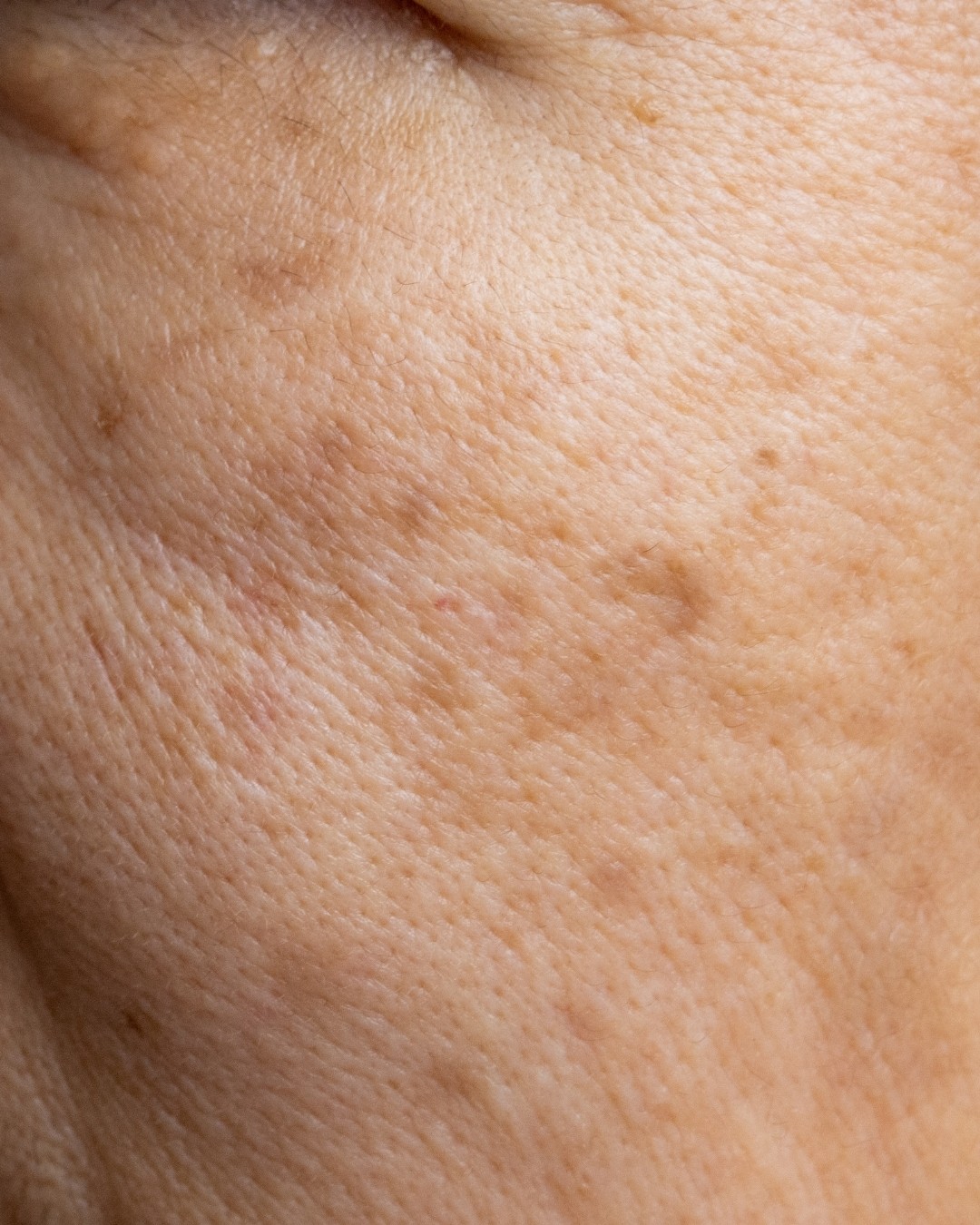
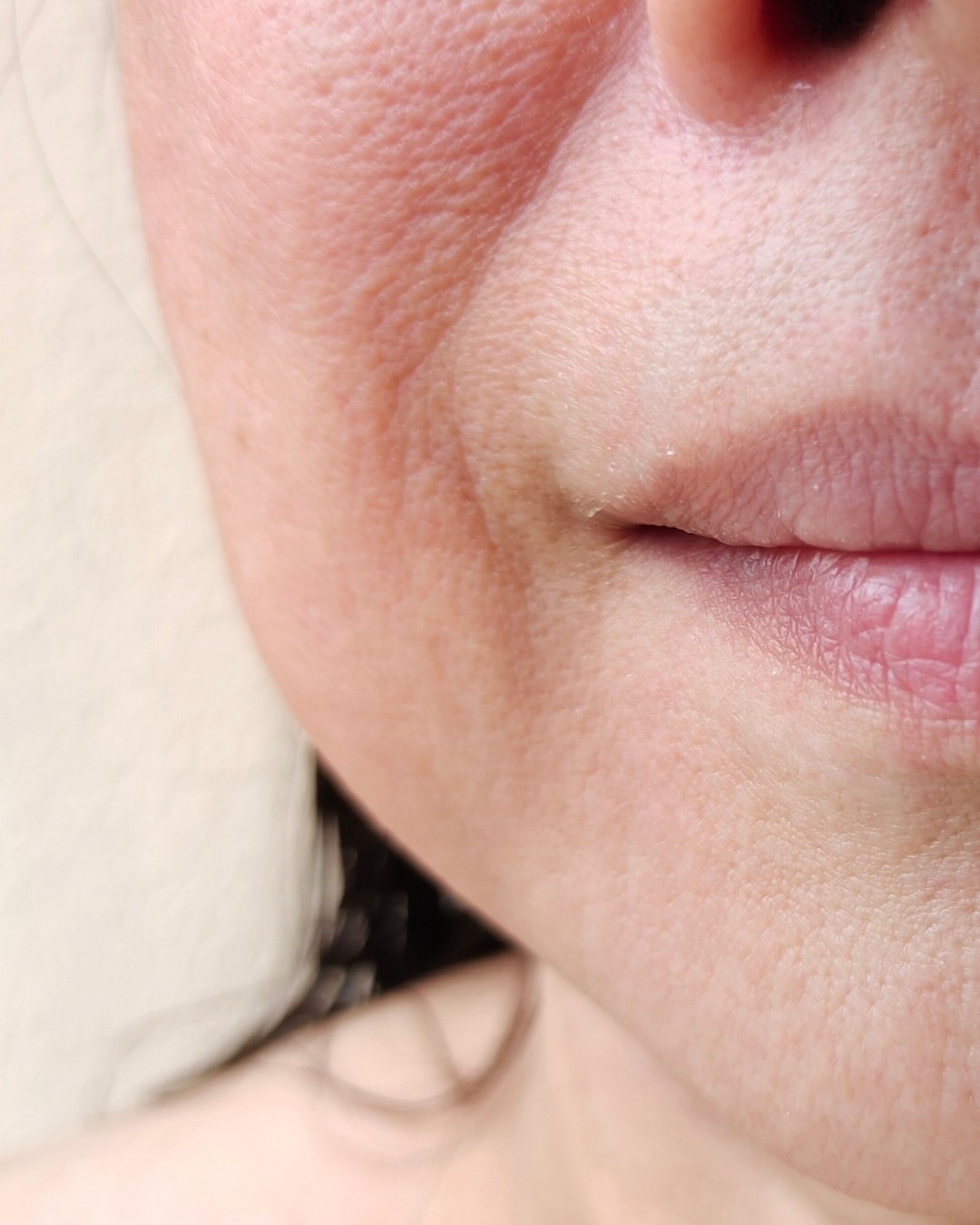
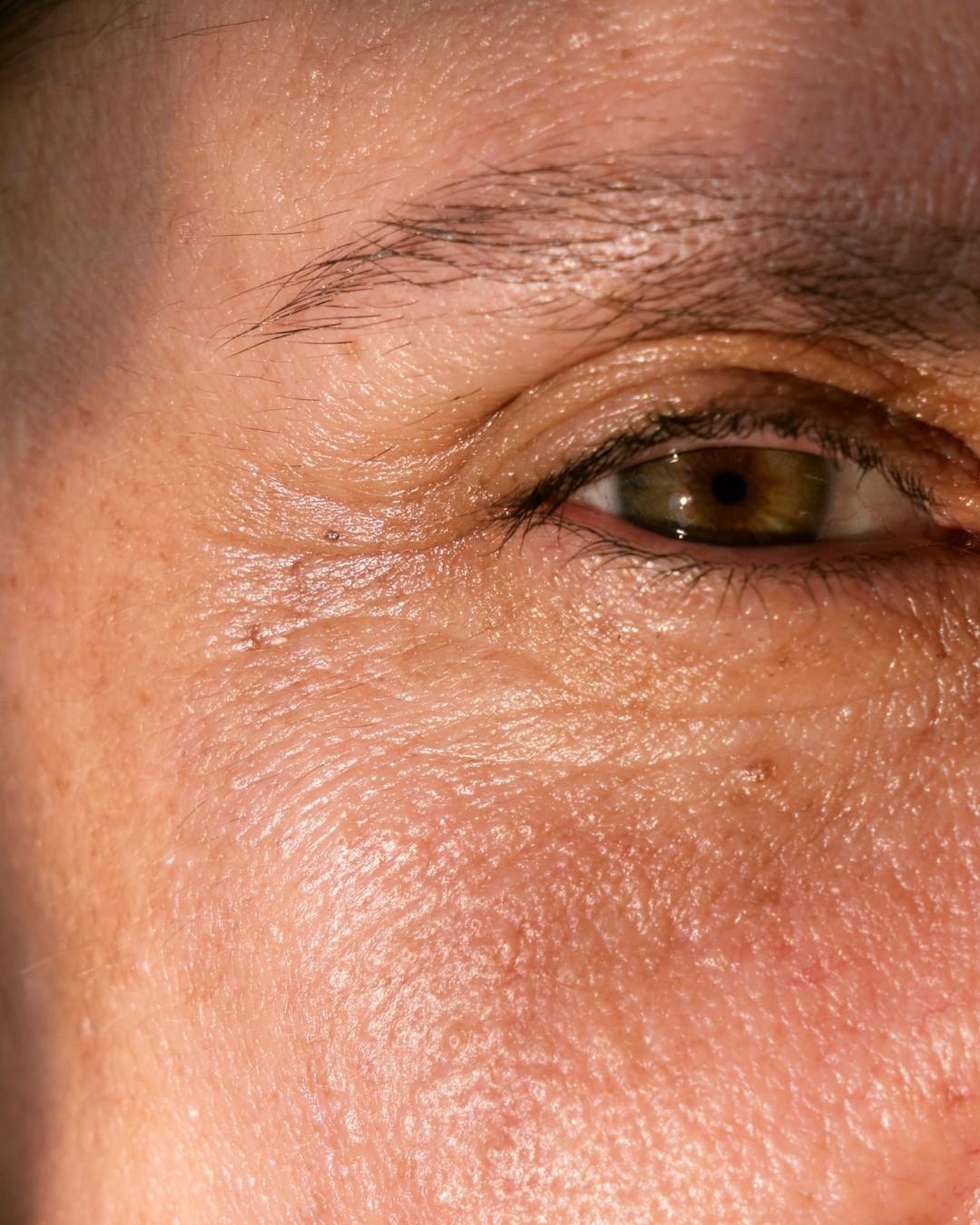
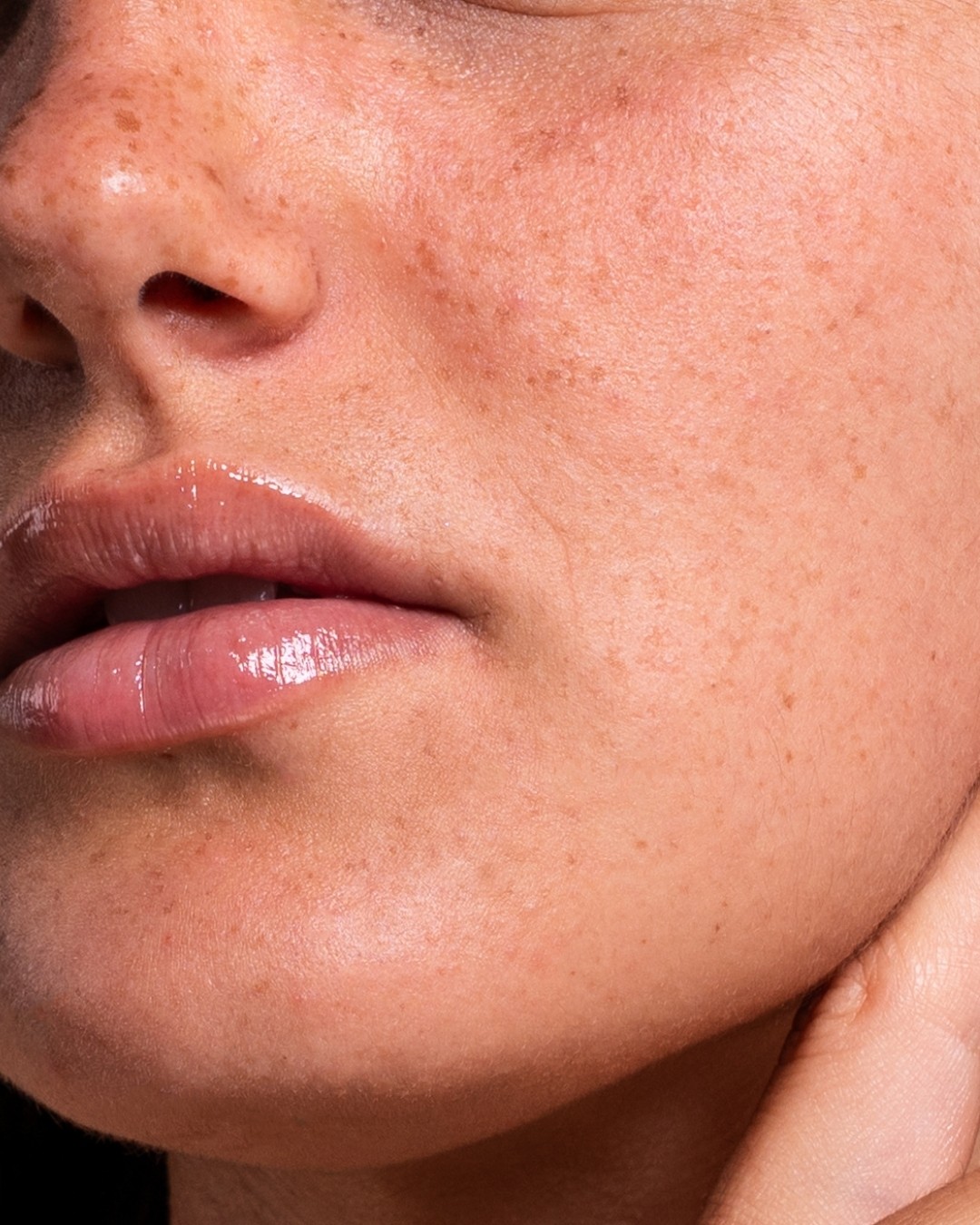
Dull or tired-looking skin
MOXI by Sciton
Who is MOXI suitable for?
MOXI is suitable for all skin types, including Mediterranean skin. It is ideal for patients in their thirties, forties, and fifties who want to prevent and correct the early signs of photoaging, uneven pigmentation, and dull skin tone.
How many sessions do I need?
Most patients begin with 3 to 4 sessions for optimal correction, followed by maintenance sessions every few months. Improvement is visible from the first session.
Is there downtime?
No meaningful downtime. The skin may appear slightly red for 24 hours. Small darkened spots in areas of pigmentation may appear between days 2 and 4 and shed naturally. Makeup can be applied the following day.
Can MOXI be done year-round?
Yes. Unlike most laser technologies, MOXI is safe to perform in all seasons, including summer.
Is it painful?
The treatment is comfortable. An anesthetic cream may be applied before more intensive sessions.
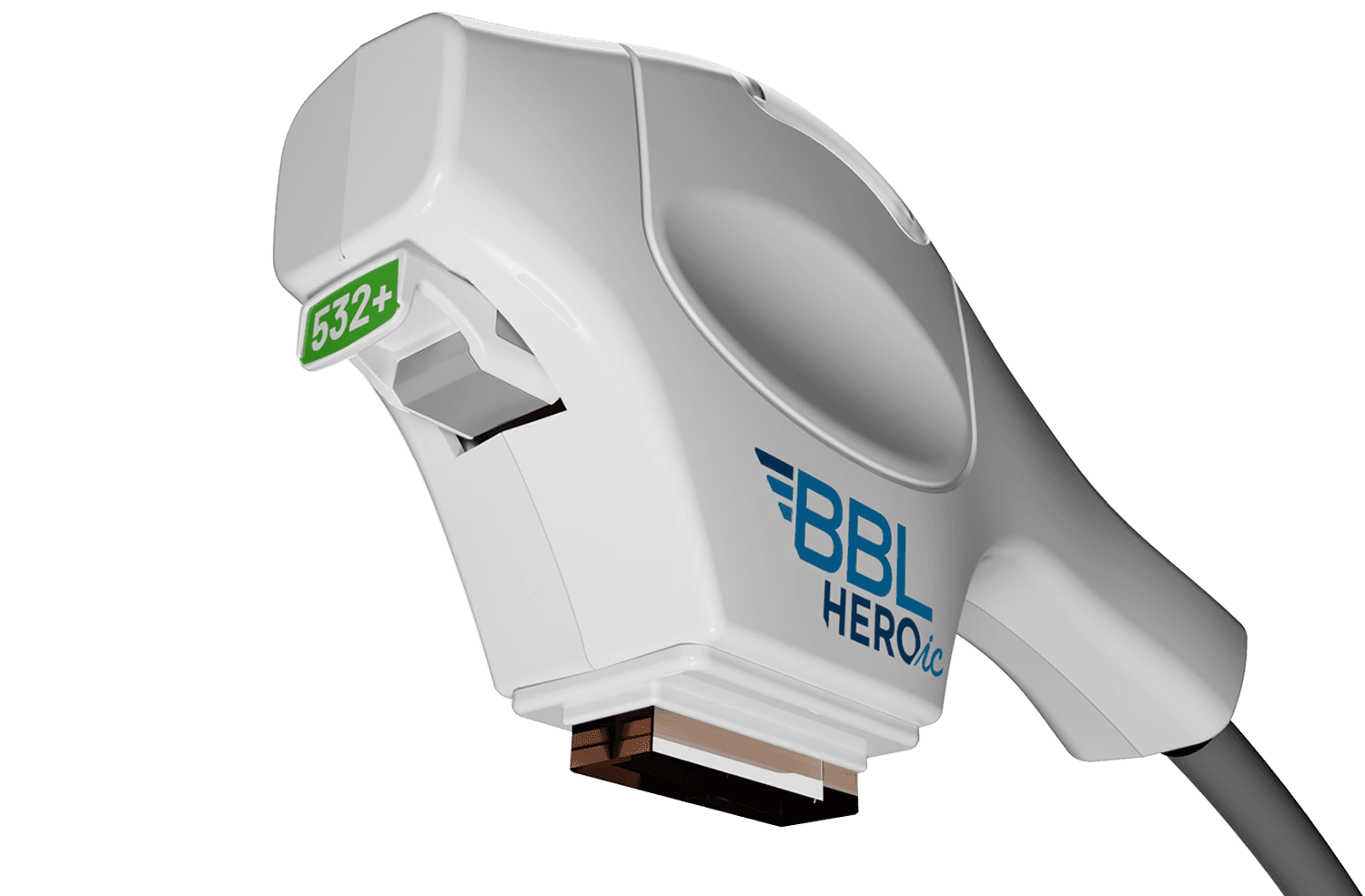
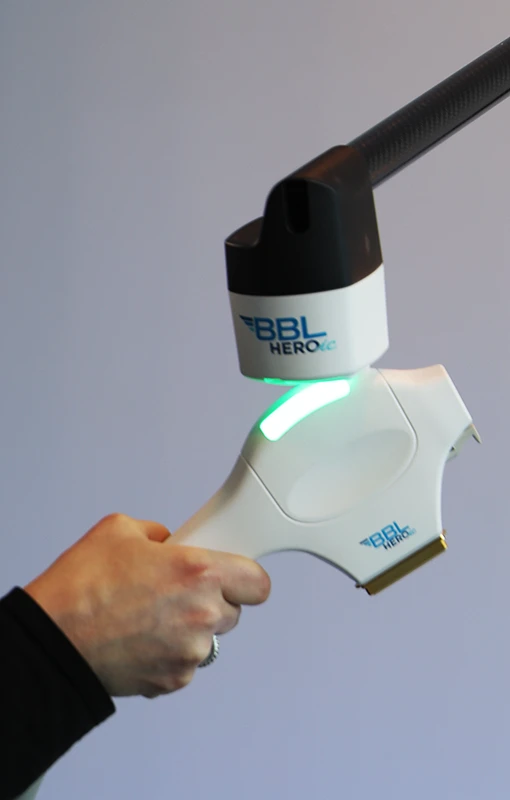
BBL HEROic by Sciton
BBL is the gold standard in light-based skin rejuvenation. Two decades of clinical evidence. Visible results from the first session. The treatment of choice for sun damage, pigmentation, redness, and skin that has lost its clarity, which, living in Greece, eventually means all of us.
Fast, comfortable, precise. No downtime.
This is for you if
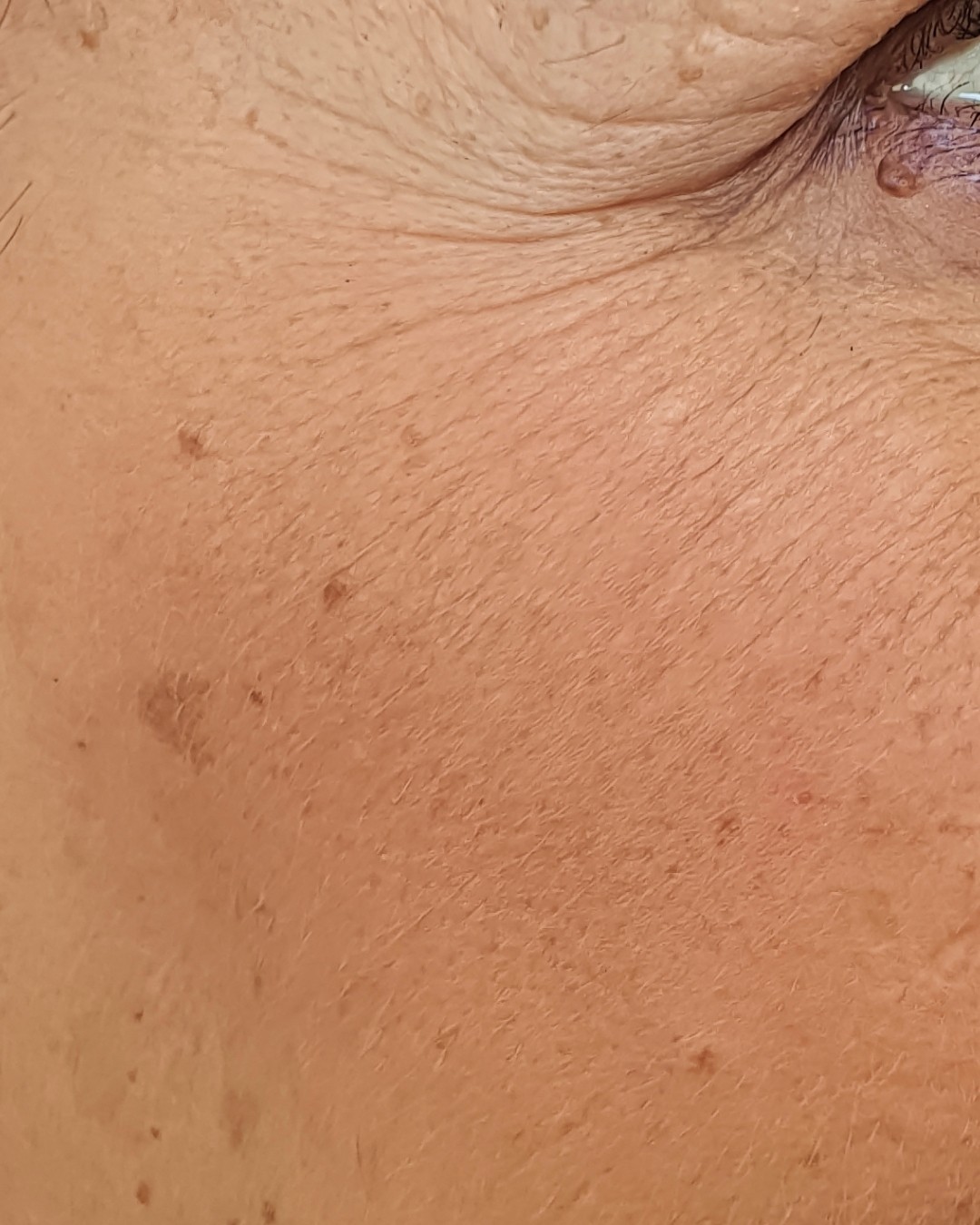
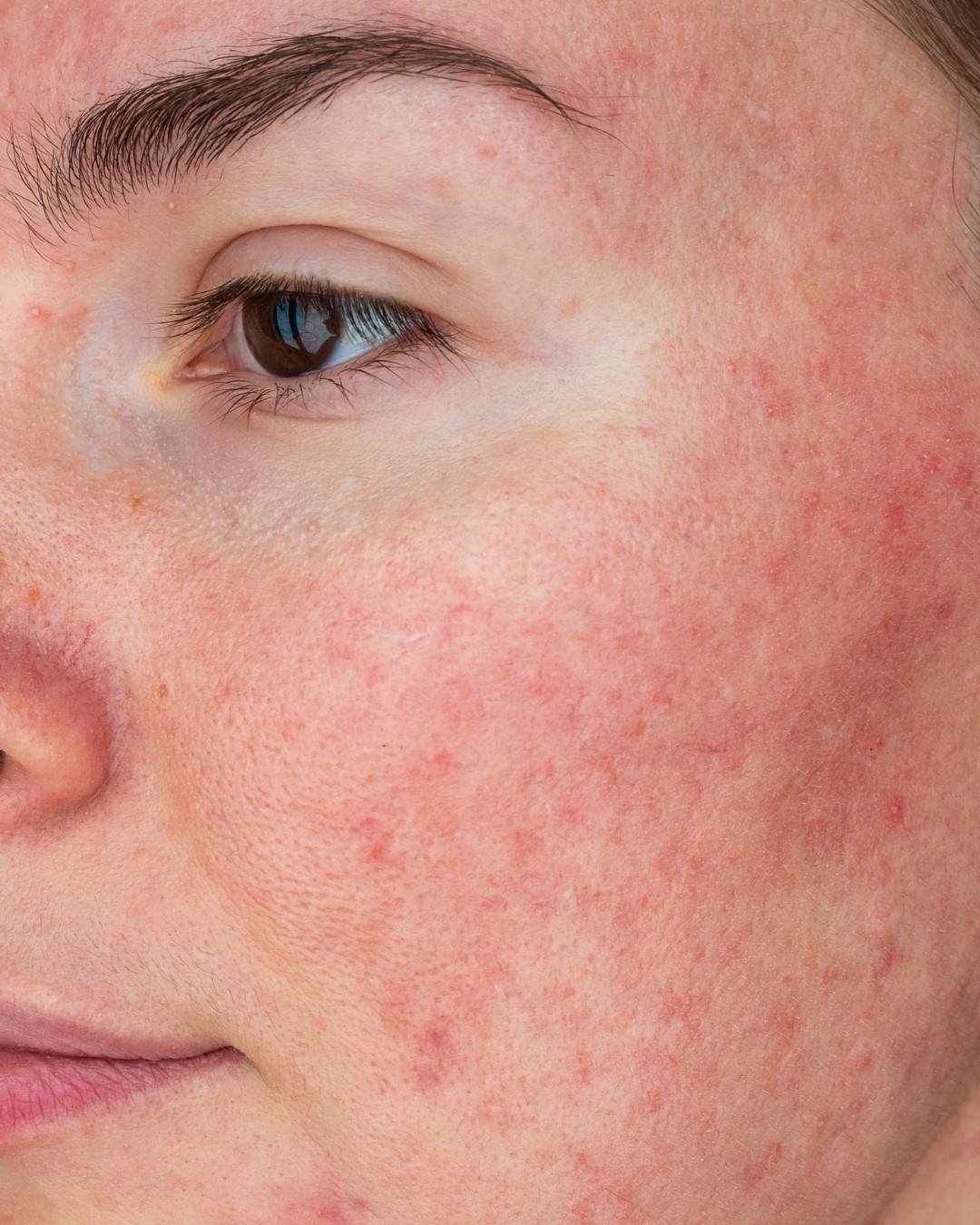
You have accumulated years of sun exposure and it is starting to show. Uneven tone, dark spots, redness, rosacea, acne, dullness. You want real correction without aggressive intervention.
the result
Restored luminosity and even skin tone. Significant reduction in pigmentation, redness, and sun damage. Skin that looks refreshed, brighter, and healthier.
BBL HEROic by Sciton
This is for you if...
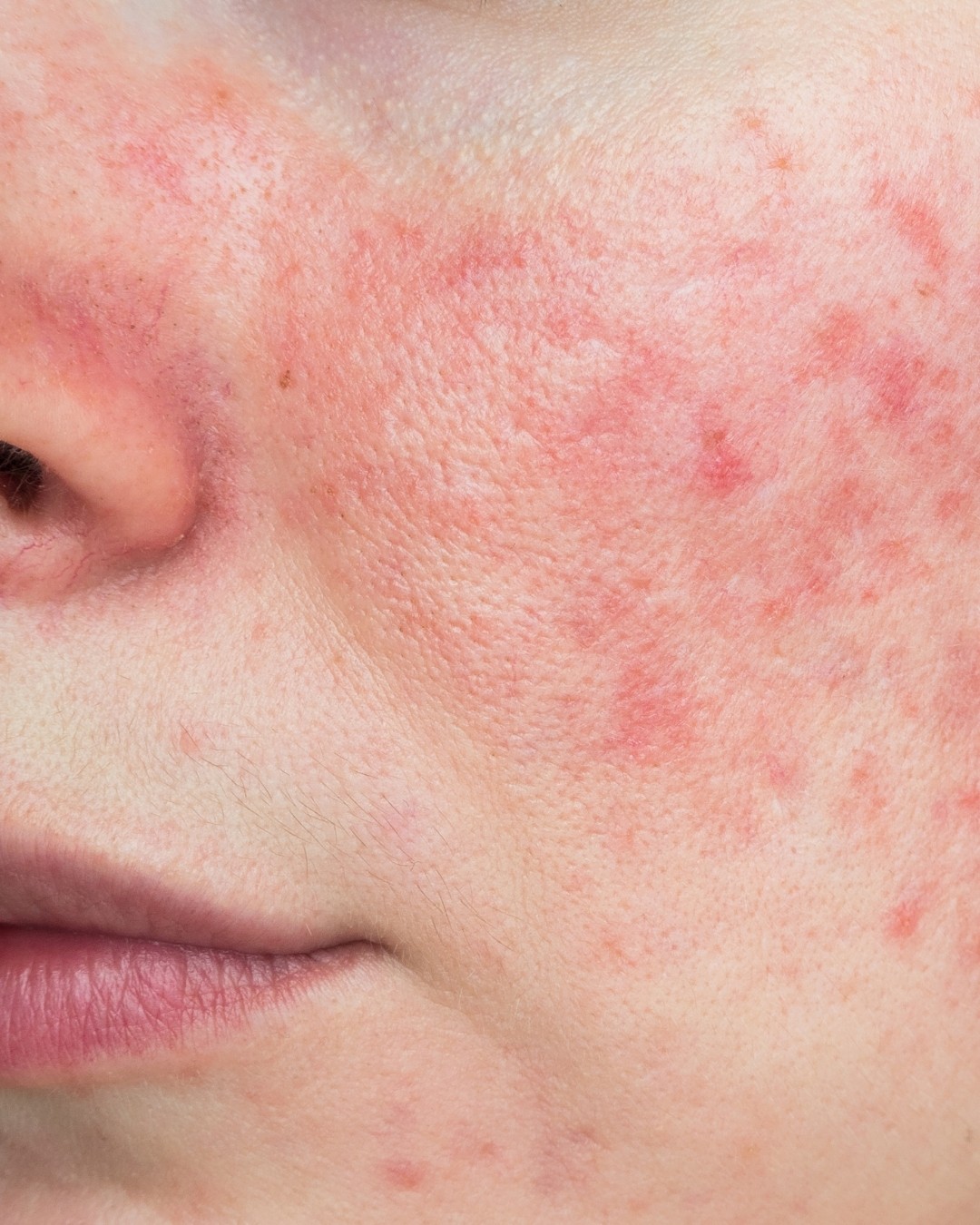
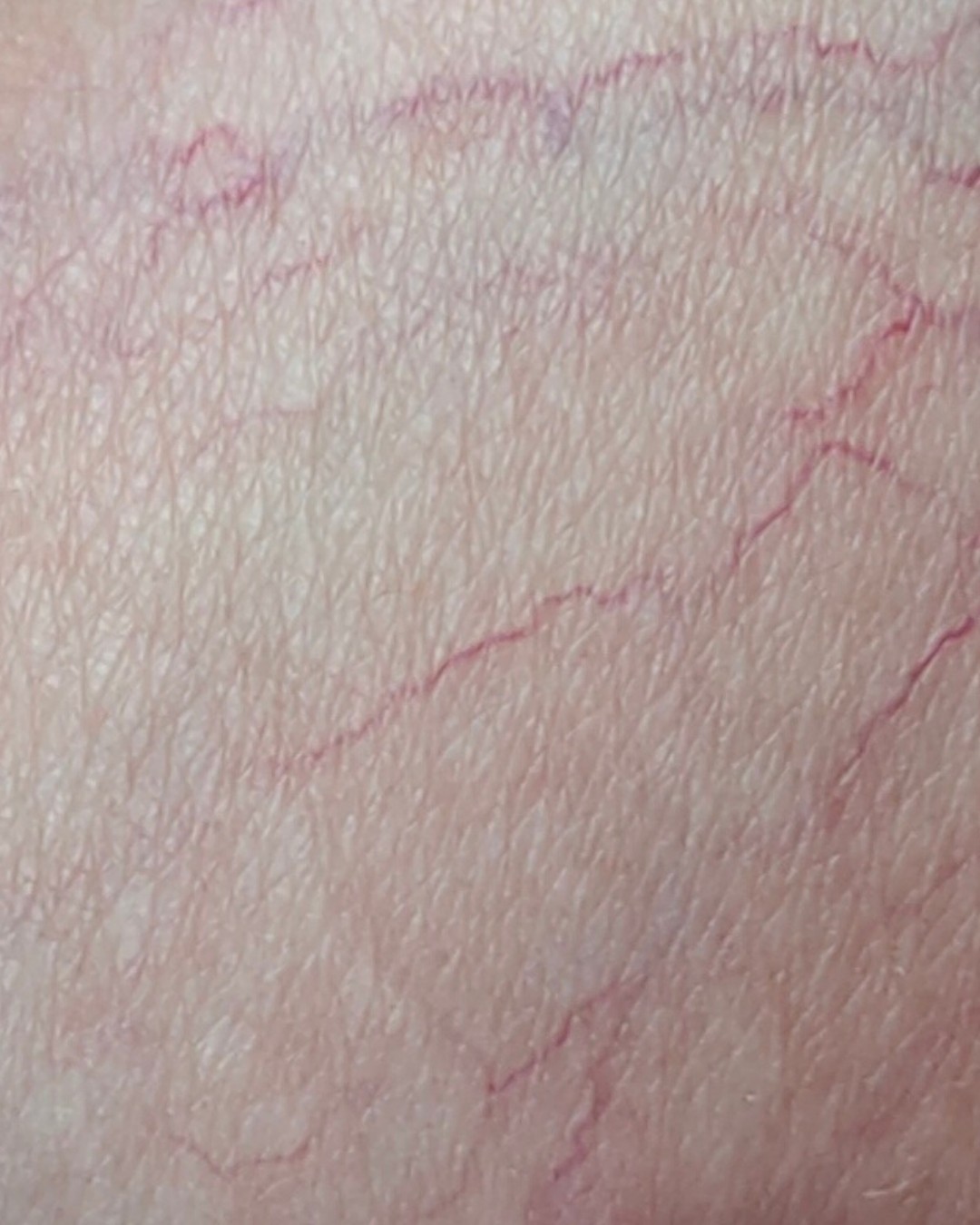
Visible blood vessels
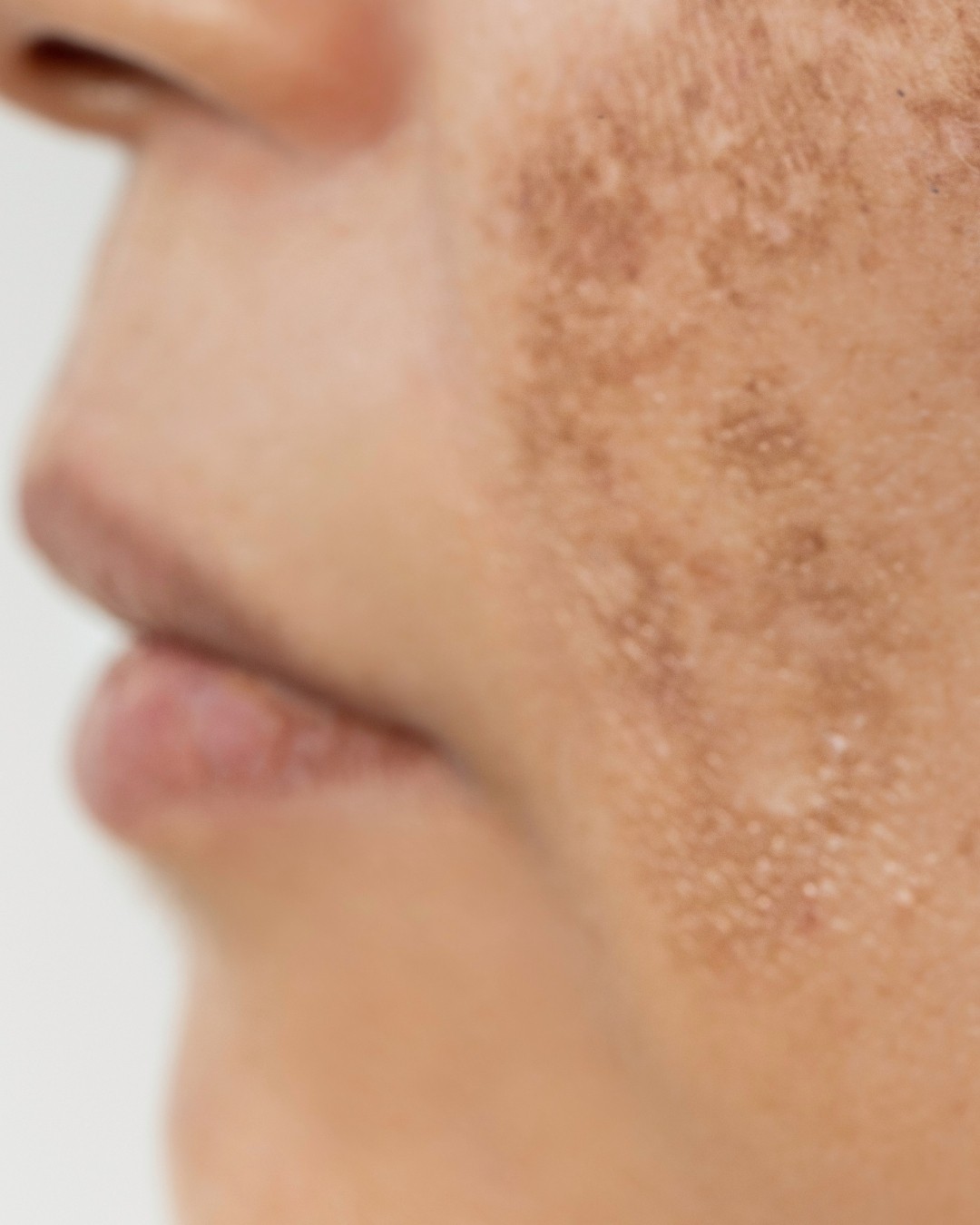
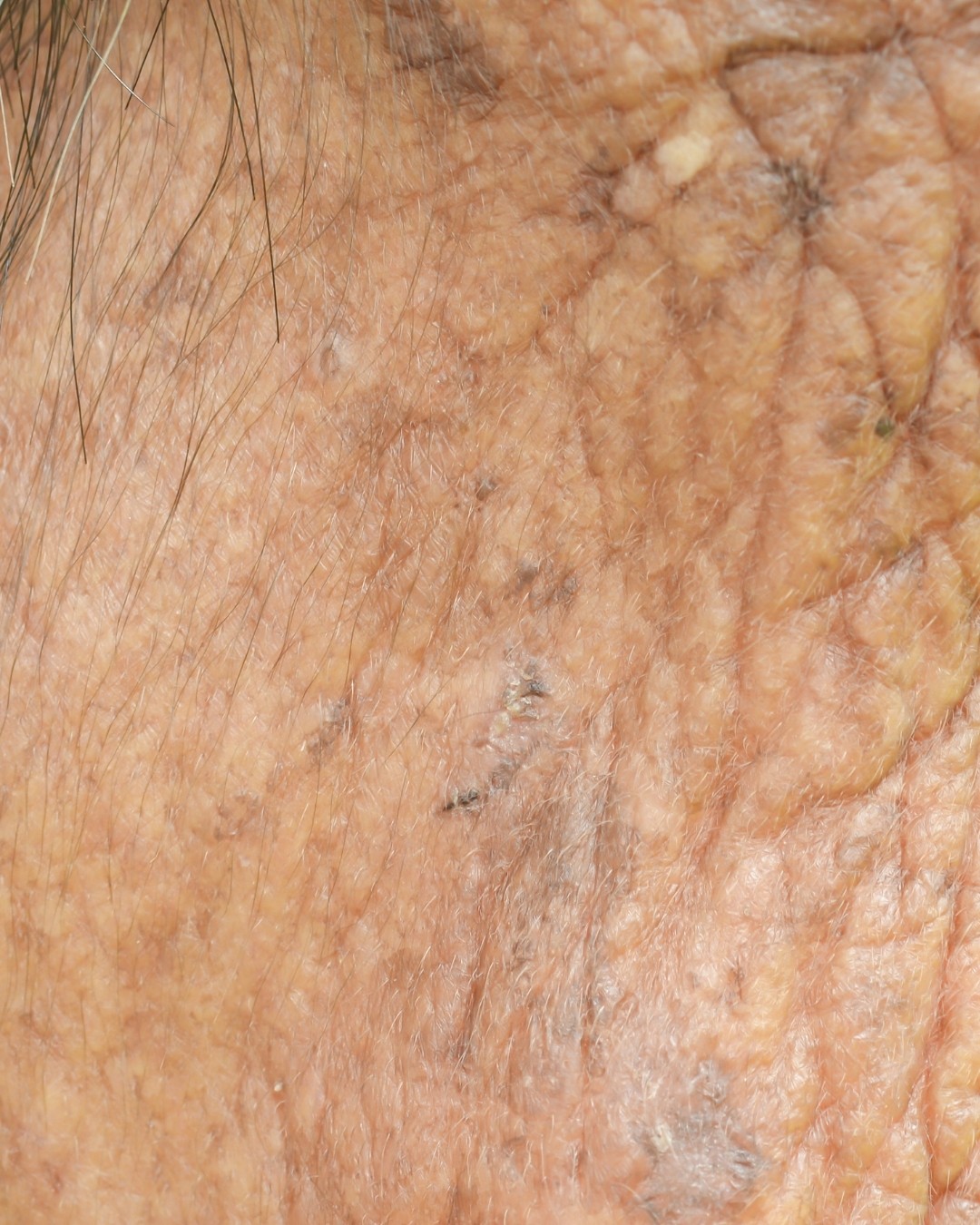
BBL HEROic by Sciton
What does BBL HEROic treat?
BBL HEROic treats pigmentation, sun spots, redness, rosacea, vascular conditions, and visible signs of aging. It can be used on the face, neck, décolletage, hands, and body.
How many sessions do I need?
Most patients see results after the first session. A course of 2 to 3 sessions is recommended for optimal results, followed by regular maintenance treatments.
Is there downtime?
No downtime. The skin may appear slightly red for a few hours following treatment. Patients return to their daily routine the same day.
Is BBL HEROic safe for my skin type?
BBL HEROic is effective on skin types I through V. Your physician will assess your skin type and calibrate the treatment parameters accordingly at your consultation.
What makes BBL HEROic different from standard IPL?
BBL HEROic delivers broadband light at a higher energy and faster rate than conventional IPL devices. It is built on the same BroadBand Light technology clinically shown to alter gene expression associated with skin aging at a molecular level, based on research published by Stanford University in the Journal of Investigative Dermatology, 2013.